Bariatric surgery is a serious treatment step that aims to restore metabolic balance rather than reducing weight loss to a simple matter of willpower. For this reason, the post-bariatric surgery period is just as important as the surgery itself. No matter how correctly the surgical technique is performed, it may become difficult to achieve the targeted outcome if recovery, nutrition, movement, follow-up, and behavioral changes do not progress together. Planned follow-up under the guidance of an obesity and metabolic surgery specialist both supports safe recovery and increases the long-term sustainability of weight loss.
İçindekiler
- How Does The Process Progress After Bariatric Surgery?
- What Can Be Expected In The First 24 Hours After Bariatric Surgery?
- How Long Is The Hospital Stay After Bariatric Surgery?
- Is Pain And Bloating Normal After Bariatric Surgery?
- Wound Care And Showering After Bariatric Surgery: When Is It Allowed?
- What Are The Nutrition Stages After Bariatric Surgery?
- How Should The Liquid Phase Be After Bariatric Surgery?
- Post-Bariatric Surgery Pureed And Soft Food Phase
- When Does The Transition To Regular Nutrition Happen After Bariatric Surgery?
- How Is The Protein Target Met After Bariatric Surgery?
- How Can Water Intake And Dehydration Be Managed After Bariatric Surgery?
- What Is Dumping Syndrome After Bariatric Surgery?
- When Is Exercise Started After Bariatric Surgery?
- What Is The Weight Loss Rate And Plateau Period After Bariatric Surgery?
- Why Does Weight Regain Happen After Bariatric Surgery, And How Can It Be Prevented?
- Why Is Psychological Support Important After Bariatric Surgery?
- How Often Are Follow-Up Visits Done After Bariatric Surgery?
- Frequently Asked Questions After Bariatric Surgery
How Does The Process Progress After Bariatric Surgery?
The post-bariatric surgery process generally consists of early recovery, gradual nutrition transition, regular movement, and long-term follow-up stages. In the first days, the goal is safe mobilization, initiation of fluid intake, and close monitoring of possible complication risks. Then, nutrition progresses from the liquid phase to the pureed and soft food phase, and later toward regular nutrition. These transitions are planned according to the type of surgery, the person’s recovery speed, and tolerance.
At the same time, during the post-bariatric surgery period, vitamin-mineral supplementation, protein targets, water intake, and behavioral adjustments are made permanent. It should be known that the rate of weight loss may vary from person to person, and there may be plateau periods when weight loss slows down. What is important here is updating the plan based on measurements, laboratory values, and the nutrition pattern during follow-up appointments.
What Can Be Expected In The First 24 Hours After Bariatric Surgery?
Post-bariatric surgery the first 24 hours is a period of close monitoring. As the effect of anesthesia decreases, drowsiness, mild nausea, or dizziness may occur. In many centers, getting out of bed and starting short walks begins on the same day. Early mobilization is important in reducing clot risk and supporting bowel movements.
It is not expected that pain will be completely absent during this period, but scheduled pain relief treatments are provided for pain control. On the first day after bariatric surgery, fluid intake usually starts with small sips and is increased as tolerated. Breathing exercises and walking goals given by the surgical team significantly support recovery.

How Long Is The Hospital Stay After Bariatric Surgery?
The length of hospital stay after bariatric surgery varies depending on the type of surgery performed, accompanying diseases, intraoperative findings, and fluid tolerance on the first day. In many patients, discharge can be planned after a hospital stay of 1 to 3 days. However, the duration may be extended in cases of nausea-vomiting, inability to take fluids, difficulty in pain control, or situations requiring additional monitoring.
Discharge criteria are not only about time. For post-bariatric surgery safe discharge, the goals are being able to walk, taking sufficient fluids, ensuring pain control, and completing basic discharge education. Medication use, nutrition steps, and what to do in an emergency are clarified.
Is Pain And Bloating Normal After Bariatric Surgery?
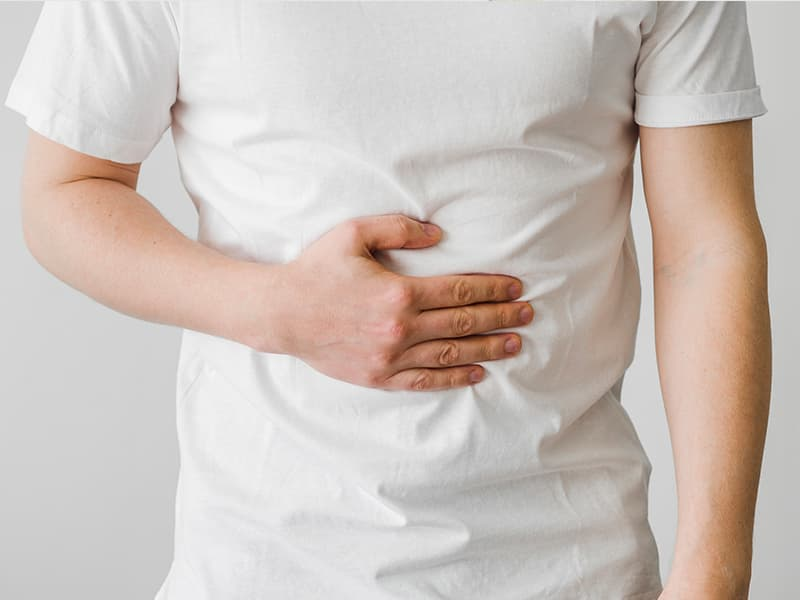
Pain and bloating after bariatric surgery can be common, especially in the first days. In laparoscopic surgery, the gas given into the abdomen may cause shoulder pain or a feeling of fullness in the abdominal area. There may also be tenderness and a pulling sensation at the incision sites. These complaints usually decrease with movement and as the gas is expelled from the body.
Still, what is important regarding pain after bariatric surgery is that the pain gradually decreases and follows the expected course. In cases of severe or increasing pain, or pain accompanied by fever, shortness of breath, or swelling in the leg, the surgical team should be contacted without delay. Distinguishing normal recovery from conditions requiring urgent evaluation is a fundamental part of the follow-up process.
Wound Care And Showering After Bariatric Surgery: When Is It Allowed?
Wound care after bariatric surgery is based on the principle of keeping the incision sites clean and dry. The necessity and duration of dressing changes vary depending on the technique and materials used by the surgical team. In general, incision sites are checked within a few days and the dressing routine is determined according to the healing status.
Shower timing may also vary by center. During the post-bariatric surgery period, many patients may be allowed a short warm shower after a certain period, but care should be taken not to rub the incision sites and to dry them well. Entering environments such as pools, the sea, or Turkish baths is not recommended before the wound is fully healed. If signs such as redness, discharge, bad odor, or increasing tenderness occur, the follow-up plan may need to be moved earlier.
What Are The Nutrition Stages After Bariatric Surgery?
Nutrition after bariatric surgery progresses in stages so that the stomach and digestive system can adapt to the new order. The main goals are ensuring adequate fluid intake, establishing protein priority, and gaining portion habits suitable for the new volume capacity. During this process, factors that reduce tolerance such as fast eating, large bites, carbonated drinks, and high-sugar products should be avoided.
Nutrition stages are generally planned as the liquid phase, the pureed-soft food phase, and the transition to regular nutrition. At every stage after bariatric surgery, the aim is to progress without nausea-vomiting and to closely monitor symptoms such as swallowing difficulty or a sticking sensation in the chest area. Keeping a nutrition diary is helpful for seeing how different foods are tolerated.

How Should The Liquid Phase Be After Bariatric Surgery?
The liquid phase after bariatric surgery teaches regular fluid intake with small sips. The critical point here is drinking throughout the day instead of consuming a large amount at once. If fluid intake is insufficient, signs of dehydration such as headache, fatigue, dark-colored urine, and palpitations may occur. For this reason, it is important to consume water and other fluids approved by the physician in a planned manner.
During this period, post-bariatric surgery protein support may also come into play. The goal is to approach the target with protein drinks or sources suitable for the physician-dietitian plan. Caffeinated and carbonated drinks are generally limited because they may cause discomfort in many patients in the early period.
Throughout the liquid phase, drinking slowly, spacing out sips, and tracking the total amount at the end of the day provides a practical approach.
Post-Bariatric Surgery Pureed And Soft Food Phase
The pureed and soft food phase after bariatric surgery enables a controlled transition of the digestive system to solid foods. The aim at this stage is to progress with protein-focused options that are soft in texture, easy to chew, and do not strain the stomach. Transitioning too early to very spicy, very fatty, or fibrous foods may lead to bloating and nausea. Therefore, tolerance is evaluated step by step.
Eating slowly, chewing well, and waiting between bites are among the basic rules of this phase. In the post-bariatric surgery pureed-soft phase, portions are small, but a regular meal structure is established. As tolerance improves, food variety increases. Trying each new food one by one makes it easier to identify the option causing problems.
When Does The Transition To Regular Nutrition Happen After Bariatric Surgery?
The transition to regular nutrition after bariatric surgery should not be considered as a single date. It is generally a process that progresses gradually over weeks and varies individually. What matters in this transition is not returning to old habits, but building a sustainable nutrition pattern suitable for the new volume and new metabolic goals.
Even after switching to regular nutrition, rules such as portion control, protein priority, and fluid-solid separation continue. During the Post-Bariatric Surgery period, leaving a certain interval between fluids and solids may be recommended because consuming them at the same time may cause discomfort in some patients. In addition, sugary foods and drinks should be approached carefully because they may trigger dumping-like symptoms.
How Is The Protein Target Met After Bariatric Surgery?
Post-bariatric surgery protein is central to reducing muscle loss, providing satiety, and supporting recovery. The protein target may vary according to the person’s weight, type of surgery, activity level, and laboratory values. Therefore, determining an individualized target is more important than using a standard number.
In the early period, protein powder or protein drinks may be practical. Later, the target can be supported with sources such as eggs, yogurt, cheese, well-cooked meat-chicken-fish, and suitable forms of legumes. In the post-bariatric surgery process, consuming protein sources first at each meal makes it easier to reach the total target. In protein deficiency, problems such as hair loss, fatigue, or muscle loss may become more noticeable, so nutritional evaluation becomes important during follow-up visits.
How Can Water Intake And Dehydration Be Managed After Bariatric Surgery?
Water intake after bariatric surgery can sometimes be challenging due to the small stomach volume. Therefore, drinking water should be planned as a goal. Carrying water with you throughout the day, taking sips at regular intervals, and monitoring urine color are simple but effective methods. Light-colored urine generally supports adequate fluid intake, while dark urine suggests dehydration risk.
To prevent dehydration, it is important to spread fluid intake throughout the day and avoid sudden large sips. In addition, conditions such as nausea, diarrhea, or vomiting may increase fluid loss.

After bariatric surgery, in such situations, getting guidance from the surgical team and, if necessary, planning closer monitoring provides a safe approach.
What Is Dumping Syndrome After Bariatric Surgery?
Dumping syndrome after bariatric surgery refers to a rapid transit condition that may develop especially after certain types of surgery due to high-sugar foods. Symptoms such as palpitations, sweating, dizziness, nausea, abdominal cramps, or diarrhea may be seen. This condition is closely related to nutritional content and eating speed.
To reduce dumping-like symptoms, sugary drinks, desserts, and refined carbohydrates are limited. Eating slowly, maintaining portion control, and focusing on protein are important. During the post-bariatric surgery period, when these symptoms occur, the triggering food can be noted and the diet plan can be adjusted.
When Is Exercise Started After Bariatric Surgery?
Exercise after bariatric surgery starts with walking in the early period. The first goal is to support circulation and speed recovery with regular and short walks. Timing for more advanced exercises is planned according to incision healing, musculoskeletal condition, and the recommendations of the surgical team.
Over time, resistance exercises play an important role in reducing muscle loss. However, when starting exercise, the goal is to establish a sustainable routine. During the post-bariatric surgery period, a gradually increasing plan is better tolerated than sudden and intense programs. If symptoms such as shortness of breath, chest pain, or dizziness occur, exercise should be stopped and an evaluation should be made.
What Is The Weight Loss Rate And Plateau Period After Bariatric Surgery?
It is common for the rate of weight loss after bariatric surgery to be more pronounced in the first months. Over time, as the body adapts to the new balance, weight loss may slow down. This slowing is not always a negative sign. In some periods, even if the scale changes less, differences may be noticed in body measurements.
The plateau period is defined as a temporary pause in weight loss. During the Post-Bariatric Surgery period, the nutrition pattern, protein and water targets, sleep, and movement plan are reviewed in this phase. Hidden calorie sources, frequent snacking, or liquid calories may especially affect the plateau. Follow-up appointments make these periods more manageable.
Why Does Weight Regain Happen After Bariatric Surgery, And How Can It Be Prevented?
Weight regain after bariatric surgery is not due to a single cause. Over time, larger portions, increased liquid calories, irregular meal patterns, protein deficiency, inactivity, and emotional eating behavior can increase the risk of regain. In addition, missing follow-up appointments may cause deficiencies and behavioral shifts to be noticed late.
The prevention approach is based on building sustainable routines. Protein priority, daily water goals, regular walking and strengthening exercises, sleep routine, and stress management should be handled together. During the post-bariatric surgery period, if weight regain begins, it is often easier to manage when detected early. For this reason, maintaining measurement and follow-up discipline is important.
Why Is Psychological Support Important After Bariatric Surgery?
The process after bariatric surgery is not only about changes in stomach volume; it also requires adaptation in eating behavior, body image, social relationships, and emotional regulation. In some people, motivation increases with weight loss, while in others, expectation management, stress, and emotional eating triggers may become more visible. For this reason, psychological support is a factor that strengthens long-term success.
Psychological support provides benefits in terms of eating awareness, recognizing triggers, coping with stress, and making behavioral change permanent. During the post-bariatric surgery period, patients who receive support may show better adaptation, especially in reducing the risk of weight regain and maintaining a new lifestyle.
How Often Are Follow-Up Visits Done After Bariatric Surgery?
Follow-up visits after bariatric surgery are planned according to the surgical team’s protocol. In the early period, the process is monitored with more frequent visits, and in the following months with less frequent visits. During these appointments, weight loss, nutrition tolerance, fluid intake, vitamin-mineral use, possible side effects, and laboratory values are evaluated together.
The aim of long-term follow-up is to support the permanence of weight loss and detect deficiencies early. Post-Bariatric Surgery follow-up is personalized through blood values, vitamin-mineral levels, and metabolic parameters. Not missing follow-up visits provides a safe roadmap for both health and targeted weight management.
Frequently Asked Questions After Bariatric Surgery
When Can Driving Be Resumed After Bariatric Surgery?
Driving after bariatric surgery is generally appropriate once pain is controlled and pain medications have been discontinued. If medications that affect reflexes are being used, driving should be avoided.
Is Constipation Normal After Bariatric Surgery, And How Is It Managed?
Constipation after bariatric surgery may occur due to low fluid intake and limited movement. Spreading water intake throughout the day and increasing walking reduce the complaint in many patients.
When Does Hair Loss Start After Bariatric Surgery?
Hair loss after bariatric surgery may typically occur temporarily after the 3rd month. Adequate protein intake and regular vitamin-mineral supplementation can help make this process more controlled.
How Long Are Vitamin And Mineral Supplements Used After Bariatric Surgery?
Vitamin and mineral supplements after bariatric surgery require long-term follow-up in most patients. The duration of use is determined by the physician according to the type of surgery and blood test results.
Does Menstrual Regularity Change After Bariatric Surgery?
Temporary changes in menstrual regularity may occur after bariatric surgery due to rapid weight loss and hormonal changes. With regular follow-up, this condition usually stabilizes over time.
When Should Pregnancy Be Planned After Bariatric Surgery?
Pregnancy planning after bariatric surgery should be done during the period when the rate of weight loss slows and nutritional balance is established. For the most accurate timing, the surgeon and obstetrician-gynecologist should evaluate together.