Swallowable gastric balloon application requires a nutrition plan after the procedure that plays a determining role both in helping the stomach adapt to the new condition and in ensuring healthy weight loss progression. From the first days onward, correct fluid selection, portion control, and gradual nutrition transitions help reduce complaints. In this process, the goal is not to follow a short-term diet, but to build a sustainable eating habit.
İçindekiler
- How Should Nutrition Be After A Swallowable Gastric Balloon?
- What Should Be Eaten And Drunk In The First 24 Hours After A Swallowable Gastric Balloon?
- How Many Days Does The Liquid Nutrition Phase Last After A Swallowable Gastric Balloon?
- When Is Fiber And Roughage Intake Increased After A Swallowable Gastric Balloon?
- When Is The Transition To Normal Nutrition After A Swallowable Gastric Balloon?
- How Is Portion Control Managed After A Swallowable Gastric Balloon?
- How Many Liters Should Daily Water Intake Be After A Swallowable Gastric Balloon?
- How Should Nutrition Be Managed When There Is Nausea And Vomiting After A Swallowable Gastric Balloon?
- Nutrition In Patients With Reflux And Heartburn After A Swallowable Gastric Balloon
- Which Foods Increase Complaints After A Swallowable Gastric Balloon?
- Is Vitamin And Mineral Supplementation Needed After A Swallowable Gastric Balloon?
- What Should Be Considered When Eating Out After A Swallowable Gastric Balloon?
- How Are Exercise And Nutrition Planned Together After A Swallowable Gastric Balloon?
- How Is Nutrition Follow-Up Performed During Check-Ups After A Swallowable Gastric Balloon?
- Frequently Asked Questions After A Swallowable Gastric Balloon
How Should Nutrition Be After A Swallowable Gastric Balloon?
Swallowable gastric balloon treatment aims to create a feeling of satiety with smaller portions by changing the stomach’s volume perception. The main factor that turns this effect into a lasting habit is the nutrition plan. During the period after a swallowable gastric balloon, nutrition should include a pattern that supports the stomach’s adaptation to the new condition, reduces complaints such as nausea and burning, and at the same time maintains weight loss safely. Since stomach sensitivity may be more pronounced in the first weeks, a plan that progresses with gradual transitions and focuses on easily digestible foods is more comfortable.
The basic approach in this process is to reduce meal size, eat slowly by chewing bites well, follow a protein-focused diet, and maintain regular fluid intake throughout the day. In addition, because hunger and thirst can be confused, it is important to make drinking water part of a routine, control snacking between meals, and reduce hidden calorie sources. The nutrition program after a swallowable gastric balloon should be planned with physician and dietitian follow-up according to the person’s complaints, work schedule, medication use, and accompanying metabolic conditions.
What Should Be Eaten And Drunk In The First 24 Hours After A Swallowable Gastric Balloon?
The first 24 hours after the procedure are the most sensitive period in which the stomach adapts to the new volume. During this process, nausea, cramping, gas, and heartburn may occur. On the first day after a swallowable gastric balloon, it is generally appropriate to proceed with a clear-liquid-focused plan. Stomach-friendly options such as water, clear broth, light herbal teas, and unsweetened stewed fruit juice are preferred. Fluid intake should be in small sips, spaced out, and slow. Drinking a large amount at once may increase nausea and cause discomfort by unnecessarily stretching the stomach.

Within these first 24 hours, carbonated beverages, caffeinated drinks, acidic fruit juices, and very cold or very hot liquids may increase complaints. In people with a tendency toward heartburn, avoiding acidic beverages and choosing drinks with a milder profile is beneficial. After a swallowable gastric balloon, the goal in this first phase is to calm the stomach without leaving the body dehydrated and to gradually increase the tolerated fluid amount.
How Many Days Does The Liquid Nutrition Phase Last After A Swallowable Gastric Balloon?
The liquid nutrition phase is planned so that the stomach can get used to the balloon and early complaints can be brought under control. The duration of the liquid phase after a swallowable gastric balloon may vary depending on the applied protocol and the person’s tolerance. In many people, this phase is short and is followed by a transition to puree consistency. The main criteria here are reduced nausea and vomiting, regular fluid intake, and control of complaints such as heartburn.
Liquid nutrition does not mean only drinking water. To support protein needs, appropriate protein-containing beverages, lactose-free alternatives according to tolerance, and sugar-free options may be planned with physician and dietitian recommendations. After a swallowable gastric balloon, the aim in this period is to provide sufficient protein and fluid support without increasing calorie load and to avoid densities that may strain the stomach.
When Is Fiber And Roughage Intake Increased After A Swallowable Gastric Balloon?
Fiber is an important component that supports bowel regularity and strengthens the feeling of fullness. However, excessive fiber in the early period may increase gas, bloating, and abdominal discomfort. After a swallowable gastric balloon, fiber and roughage increase should be done gradually as stomach complaints decrease. At first, fiber needs are mostly met from softer sources such as strained vegetable soups and well-cooked mashed vegetables.
In the following period, vegetables and fruits are added more regularly; however, peeled, seeded, very hard, and gas-forming options are tried in a controlled manner. After a swallowable gastric balloon, when increasing fiber, water intake should also be increased. Increasing roughage without adequate water may raise the risk of constipation. For this reason, it is important to plan the fiber addition process together with fluid intake and meal order.
When Is The Transition To Normal Nutrition After A Swallowable Gastric Balloon?
The transition to normal nutrition is more of an adaptation process than a single date. During the period after a swallowable gastric balloon, the goal is to progress in a way that does not disturb the stomach, without rushing into hard and difficult-to-digest foods. The transition is generally gradual in the form of liquid, puree, and soft solids. As the person’s complaints such as nausea, burning, and bloating decrease and meals are tolerated more comfortably, more varied solids can be introduced.
Normal nutrition does not mean returning to old habits. The main goal is to make the new portion and content rules permanent. During the transition to normal nutrition after a swallowable gastric balloon, it is necessary to stay away from options such as fried foods, pastries, sugary drinks, and quickly consumed snacks that may increase complaints and slow weight loss.
How Is Portion Control Managed After A Swallowable Gastric Balloon?
Portion control begins with correctly managing the early satiety sensation provided by the balloon. During the period after a swallowable gastric balloon, reducing meal size alone is not enough; eating speed, bite size, and meal content are also part of portion control. Taking smaller bites, swallowing after chewing well, and taking short pauses between bites help the stomach give a clearer satiety signal.
A protein-focused plate can keep a person full longer even with a small portion. For this reason, choosing sufficient protein at each meal, along with tolerated amounts of vegetables and controlled complex carbohydrates, makes portion control easier. After a swallowable gastric balloon, practical habits such as using small plates, serving measured portions at home, and sharing portions when eating out also support control.
How Many Liters Should Daily Water Intake Be After A Swallowable Gastric Balloon?
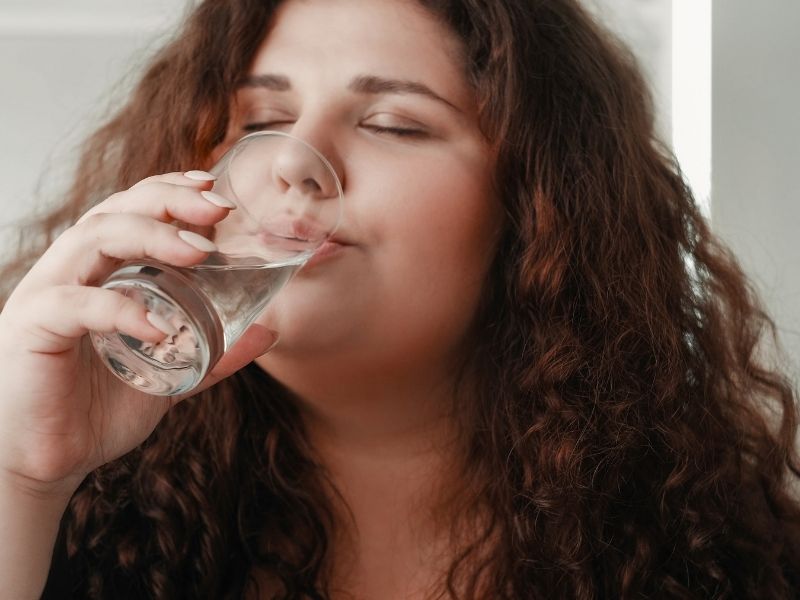
Water intake is critical for supporting metabolic processes, reducing constipation risk, and preventing complaints such as fatigue. During the period after a swallowable gastric balloon, daily water needs may vary depending on the person’s weight, activity level, season, and accompanying diseases. The most accurate approach is to ensure regular fluid intake spread throughout the day. Instead of drinking too much water at once, drinking in small sips and setting hourly goals is tolerated more comfortably.
Taking too much fluid with meals may stretch the stomach and increase discomfort.
For this reason, spreading fluid intake between meals is more appropriate. Avoiding carbonated drinks after a swallowable gastric balloon increases comfort, especially in people with a tendency toward heartburn and bloating.
How Should Nutrition Be Managed When There Is Nausea And Vomiting After A Swallowable Gastric Balloon?
Nausea and vomiting are complaints that may be seen in the early period and are often temporary. Nutrition while nausea is present after a swallowable gastric balloon should be planned with stomach-friendly options that are mildly scented, non-acidic, and low in fat. The most important point is to prevent fluid and mineral loss. Water, clear broth, and if tolerated, appropriate protein-containing drinks are preferred in small sips.
During this period, very fatty foods, strong spices, fried foods, very sugary drinks, and strongly scented foods may increase nausea. If complaints are frequent and severe, or if inability to take fluids, marked fatigue, or dizziness accompanies them, the physician should be contacted quickly. After a swallowable gastric balloon, in such cases the medication schedule and nutrition transitions may be replanned.
Nutrition In Patients With Reflux And Heartburn After A Swallowable Gastric Balloon
Reflux and heartburn may become more pronounced in some people due to the balloon’s volume effect in the stomach. Nutrition in people with a reflux tendency after a swallowable gastric balloon should be planned with a small and frequent meal approach. Not eating late at night, not lying down immediately after meals, and keeping the meal light before bedtime may reduce complaints. Since high-fat foods may delay stomach emptying, fat intake should be controlled.
Triggers such as acidic drinks, tea and coffee, very spicy foods, tomato-based sauces, and chocolate may vary from person to person. The most accurate way in reflux management after a swallowable gastric balloon is to personally identify the foods that increase complaints and limit them in a planned way.
Which Foods Increase Complaints After A Swallowable Gastric Balloon?
Knowing the foods that may increase complaints in this process both improves comfort and strengthens the sustainability of the plan. After a swallowable gastric balloon, very fatty, fried, highly spiced, and very sugary foods generally strain the stomach. Pastries and refined carbohydrates may cause excessive calorie intake even in small portions. Gas-forming legumes, very raw vegetables, and hard nuts may increase bloating in the early period.
Dairy products may cause nausea and bloating in some people. In those with lactose sensitivity, switching to lactose-free alternatives may be beneficial. When trying a new food after a swallowable gastric balloon, keeping the amount small and not adding more than one new food on the same day is a safer approach.
Is Vitamin And Mineral Supplementation Needed After A Swallowable Gastric Balloon?
A swallowable gastric balloon is not a surgical procedure that impairs absorption. However, during the period after a swallowable gastric balloon, since portions become significantly smaller, some people may have reduced vitamin and mineral intake as a result of insufficient protein intake or unbalanced nutrition. Especially in people who consume very low calories for a long time, values such as iron, B12, folate, vitamin D, and magnesium should be monitored.
The need for supplements should be determined according to blood values, nutrition pattern, and complaints. Rather than using supplements randomly, it is more appropriate to evaluate with laboratory results during follow-ups and have the physician plan the appropriate dose. Regular follow-up after a swallowable gastric balloon also prevents unnecessary supplement use.
What Should Be Considered When Eating Out After A Swallowable Gastric Balloon?
Eating out may make portion control more difficult and may lead to an unnoticed increase in calories. After a swallowable gastric balloon, the goal when eating out is to feel full with simple choices without disturbing the stomach. Choosing lighter cooking methods such as grilled, baked, or boiled foods, asking for sauces on the side, and limiting automatically served snacks such as bread baskets are helpful. Selecting the protein source first in the order and adding tolerated vegetable options helps create a more balanced plate.
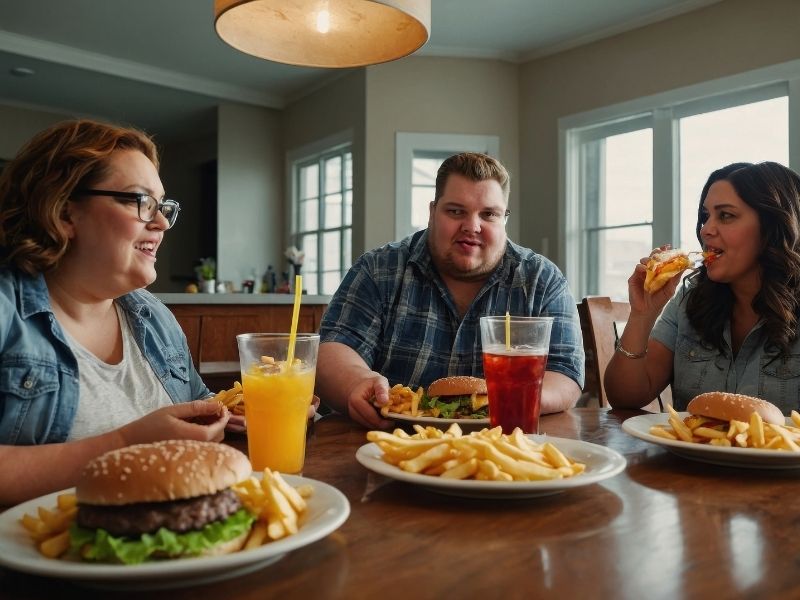
Controlling eating speed is even more important when eating out. Eating quickly in a crowded environment may place a sudden load on the stomach. After A Swallowable Gastric Balloon, sharing one portion, packing half to go, or asking for a small portion are among practical solutions.
How Are Exercise And Nutrition Planned Together After A Swallowable Gastric Balloon?
Exercise supports weight loss while helping preserve muscle mass. After a swallowable gastric balloon, planning exercise and nutrition together reduces problems such as fatigue, dizziness, and decreased performance. In the early period, light walks are generally better tolerated. As activity increases, protein needs also become more important. For this reason, keeping protein sources regular in meals and not staying hungry for long periods is beneficial.
A heavy meal before exercise may disturb the stomach. Therefore, according to workout time, light, tolerated, and protein-containing options may be preferred. Planning a protein-focused meal after exercise following a swallowable gastric balloon contributes to preserving body composition. Since fluid needs also increase with activity, the water plan should be updated according to exercise intensity.
How Is Nutrition Follow-Up Performed During Check-Ups After A Swallowable Gastric Balloon?
Check-ups are done not only to see weight change, but also to regulate nutrition habits, manage complaints, and detect risks early. After a swallowable gastric balloon, nutrition follow-up during check-ups is evaluated based on meal order, portion sizes, protein intake, fluid consumption, and the course of complaints. The physician and dietitian update the plan according to details such as eating speed, nighttime snacking, sweet cravings, reflux symptoms, and constipation.
In some people, weight loss may slow down at a certain point. In such a situation, the goal is not to feel guilty but to review the routine and make sustainable changes. Regular follow-up after a swallowable gastric balloon preserves motivation, reduces unnecessary restrictions, and supports permanent lifestyle change.
Frequently Asked Questions After A Swallowable Gastric Balloon
When Can One Return To Work After A Swallowable Gastric Balloon?
In general, it is possible to return in a short time for desk jobs; as nausea and cramping complaints decrease, the daily routine is resumed.
How Long Do Gas And Bloating Last After A Swallowable Gastric Balloon?
It may be more pronounced in the first days; in most people, it decreases within a short time and improves along with nutrition transitions.
Is Pain Normal After A Swallowable Gastric Balloon?
Mild cramping and stomach discomfort may occur in the early period; severe pain or increasing complaints require medical evaluation.
Is Sleep Pattern Affected After A Swallowable Gastric Balloon?
In the first days, stomach sensitivity and reflux tendency may reduce sleep comfort; keeping the evening meal light and avoiding late eating may help.
How Should Medications Be Used After A Swallowable Gastric Balloon?
Medications are continued according to the physician’s plan; comfort may improve when stomach-protective or anti-nausea medications are used regularly.
Why Does Rapid Weight Loss Slow Down After A Swallowable Gastric Balloon?
As the body adapts to the new pattern, the rate of weight loss may fluctuate; portion size, protein intake, activity level, and sleep routine should be reviewed again.